
Beginner's Guide to Astronomy – Part 1: Discovering the Universe With Your Eyes
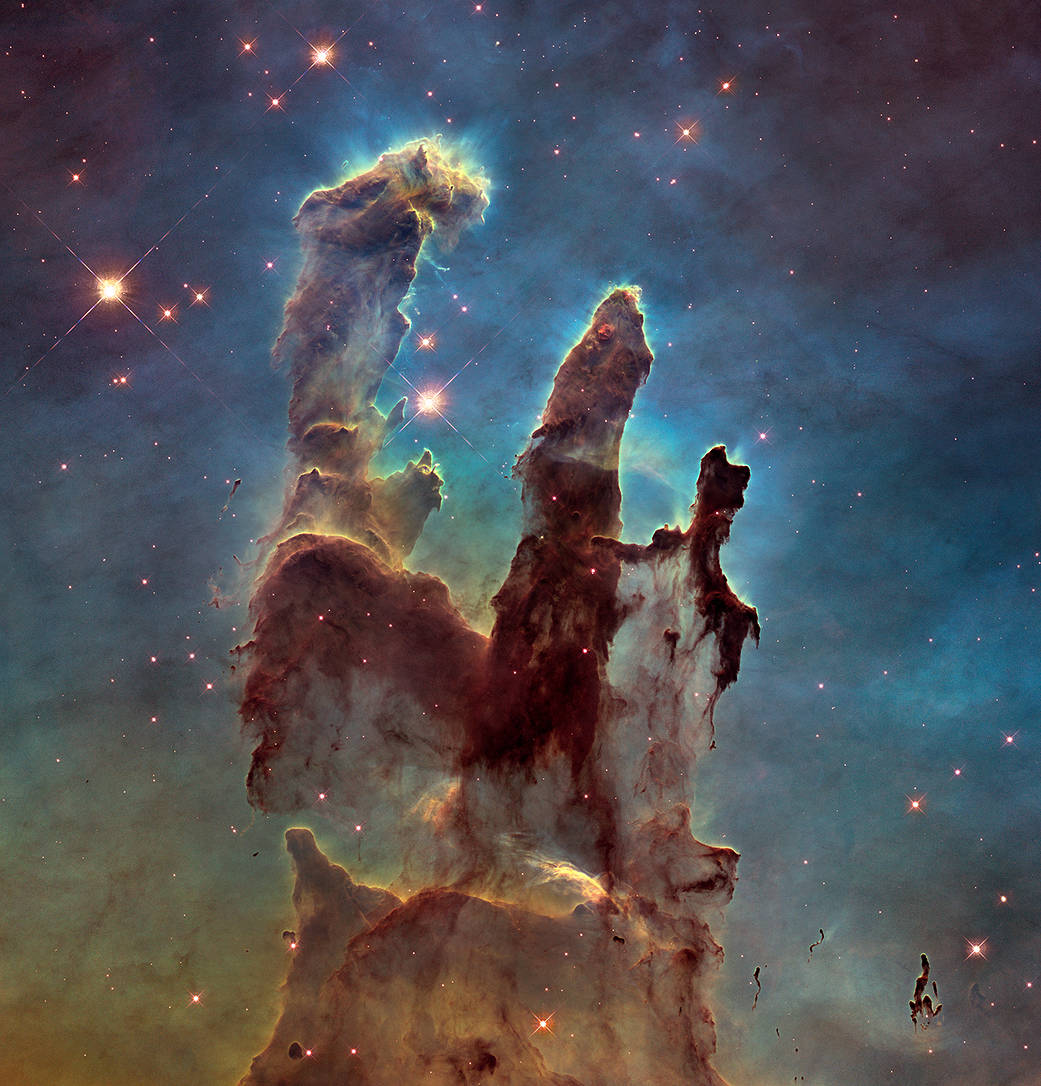
📷 Image: The iconic "Pillars of Creation" captured by the James Webb Space Telescope. These towering columns of gas and dust, located in the Eagle Nebula (~6,500 light-years away), are stellar nurseries — regions where new stars are being born. Credit: NASA, ESA, CSA, STScI
✨ Have You Ever Looked Up and Wondered?
That faint star twinkling near the Moon? The dense cluster glowing in the east? Or that bright "star" that seems to move night to night?
Welcome to astronomy — the oldest science in the world and one of the few where you can literally start by just looking up.
This is Part 1 of your beginner-friendly journey into the cosmos. Whether you're 10 or 60, astronomy is for anyone who feels a sense of awe under the night sky.
🧠 What Is Astronomy, Really?
At its core, astronomy is the study of everything beyond Earth:
-
Stars and their lifecycles
-
Planets orbiting distant suns
-
Galaxies that are home to billions of stars
-
Black holes, nebulae, supernovae, and even the origins of the universe
It's both science and story — driven by math and technology but powered by human curiosity.
🪐 Why You Should Start Now (Not Someday)
You don’t need expensive gear or deep science knowledge to begin your journey into the stars. In fact, you can get started tonight — with just a little curiosity and a clear sky.
The basics are few and simple, like learning where to look and what you're seeing. Once you know those, the night sky opens up in a whole new way.
Most beginners start by:
-
Recognizing the phases of the Moon
-
Finding iconic constellations like Orion or Cassiopeia
-
Spotting bright planets like Jupiter and Venus that are often visible to the naked eye
Each discovery adds a layer to your cosmic vocabulary. And soon, you'll feel a quiet familiarity with the stars above.
🌟 Cool Cosmic Facts to Inspire You
-
The light from some stars you see left them before dinosaurs existed.
-
The Andromeda Galaxy, visible from dark skies, is 2.5 million light-years away — yet still visible without a telescope!
-
The James Webb Space Telescope (JWST) has imaged galaxies that existed just 300 million years after the Big Bang.
Even with the smallest effort, you’re connecting with some of the oldest light in the universe.
🧢 Optional Product Mentions
🌙 Want to wear your curiosity?
Our “ASTROPHILE” T-shirt celebrates those who find beauty in the stars.
Or try the Earthrise Mousepad, inspired by the iconic view from Apollo 8 — a perfect companion for any space enthusiast.
🛰️ What’s Coming Next?
In Part 2, we’ll cover:
-
How to spot constellations like Orion, Cassiopeia, and Ursa Major
-
Seasonal tips to find them easily
-
The stories, myths, and gods behind these patterns
-
The best mobile apps to help guide you under the stars
You’ll also learn how to begin your first night sky observations and track what you see.
Related Posts

The Grand Tour: How Two 1970s Spacecraft Threaded a Needle Across the Solar System

Beginner's Guide to Astronomy – Part 3: From Binoculars to Telescopes — Your First Deep Sky Adventures


